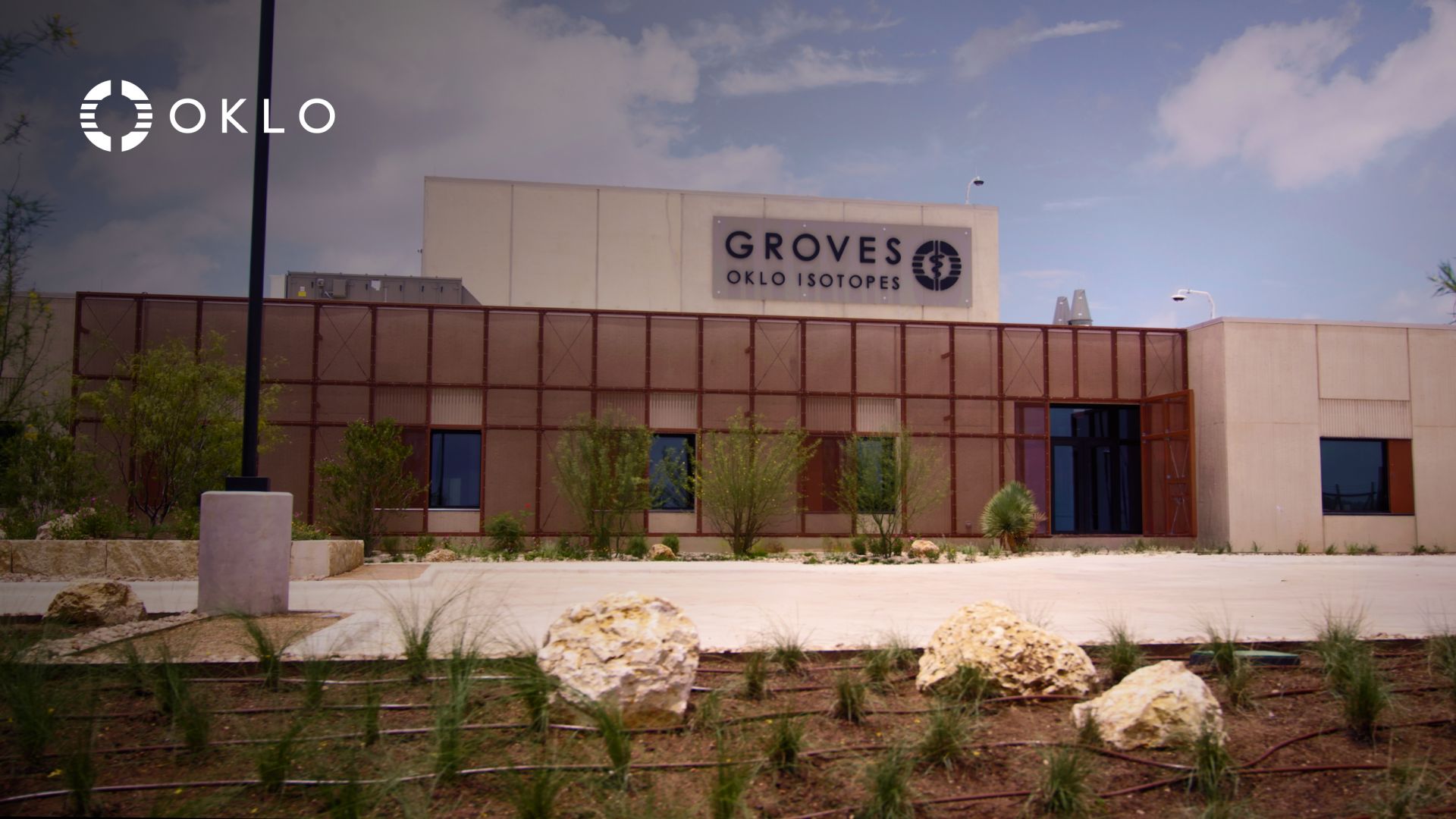
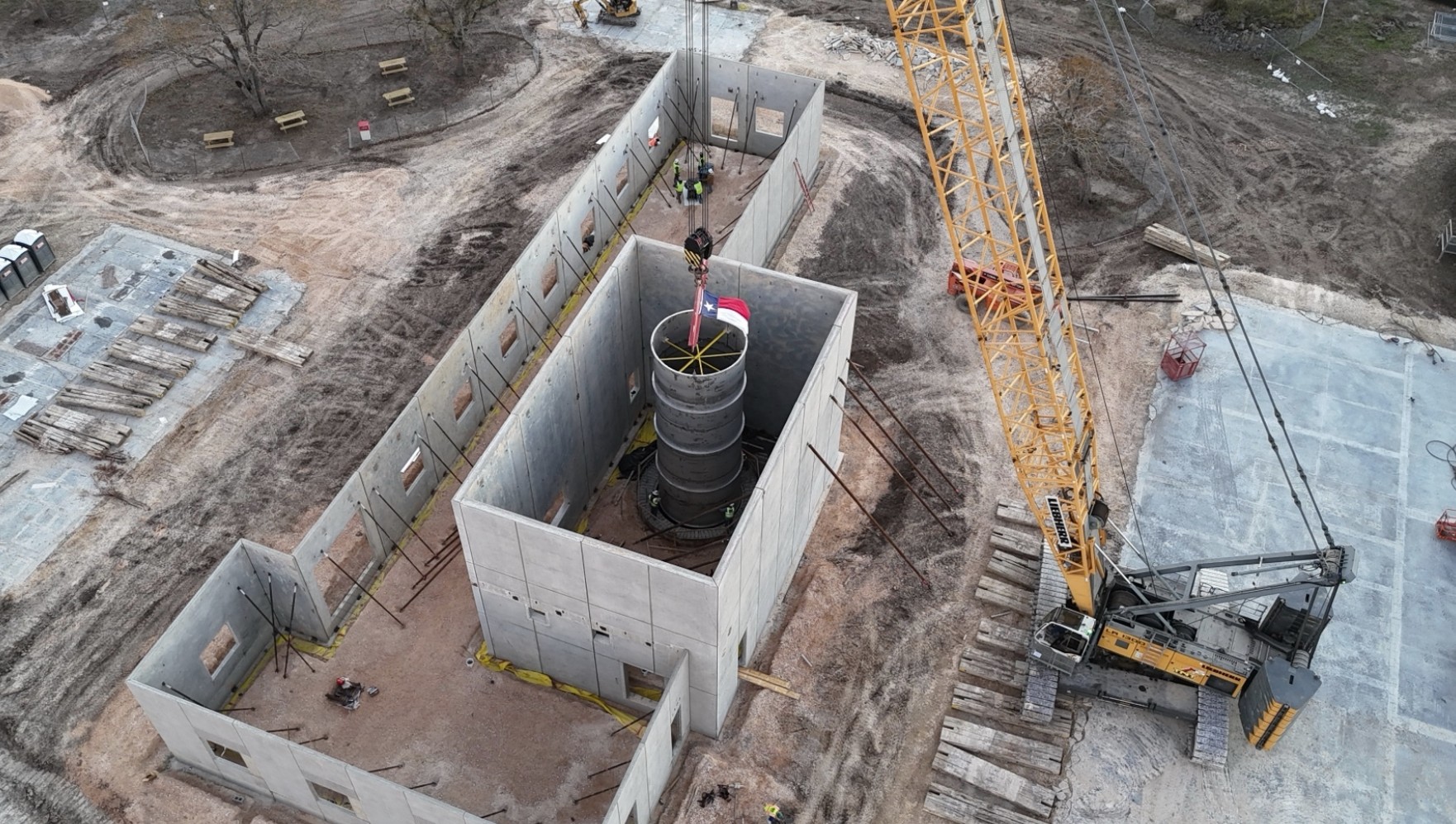
Oklo’s Groves Isotope Test Reactor facility. (Photo: Oklo)
Oklo’s Groves Isotope Test Reactor became the fifth Department of Energy–authorized reactor to achieve criticality under the agency’s authorization process, it was announced earlier today.
Criticality was reached at 9:19 p.m. (EDT) on Wednesday at the company’s Groves facility in Lockhart, Texas, according to the DOE.
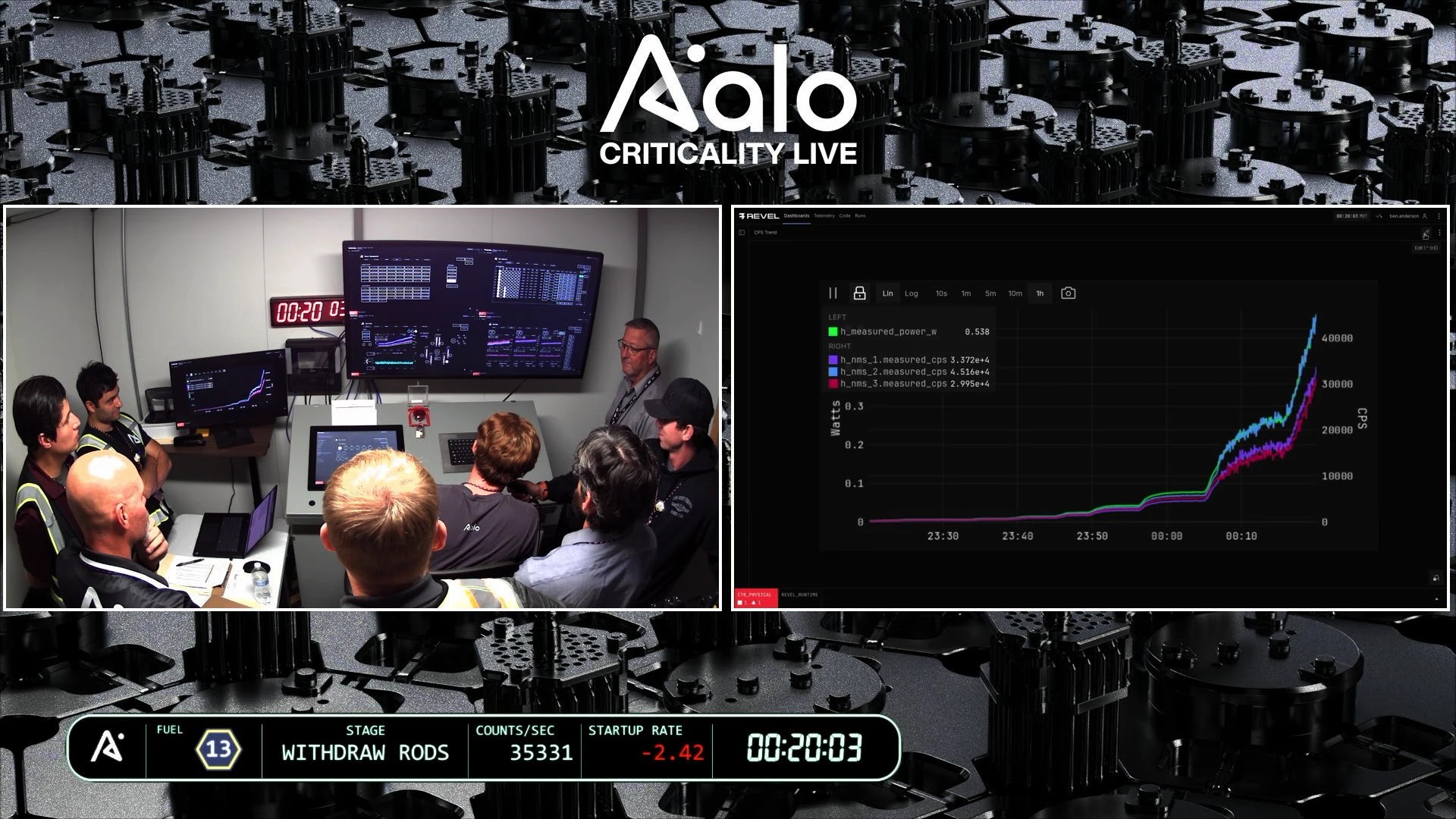
Aalo Atomics employees during criticality testing. (Image: Aalo Atomics)
Executive Order 14301 set an ambitious goal for at least three test reactors to achieve criticality by July 4. Two private companies participating in the Department of Energy’s Reactor Pilot Program—Antares and Valar Atomics—reached this stage earlier in June, and Deployable Energy—participating in the DOE's Nuclear Energy Launch Pad—became the third last week.
In the last few weeks, reports indicated that Aalo would be next, reaching criticality at Idaho National Laboratory with a low-enriched uranium–fueled, sodium-cooled reactor on or near the target date set forth by President Trump’s EO 14301. In the early hours of July 4, Aalo’s critical test reactor—a full-scale zero-power version of its planned 10-MWe Aalo-X—did just that, becoming the fourth DOE-authorized reactor to hit the milestone.
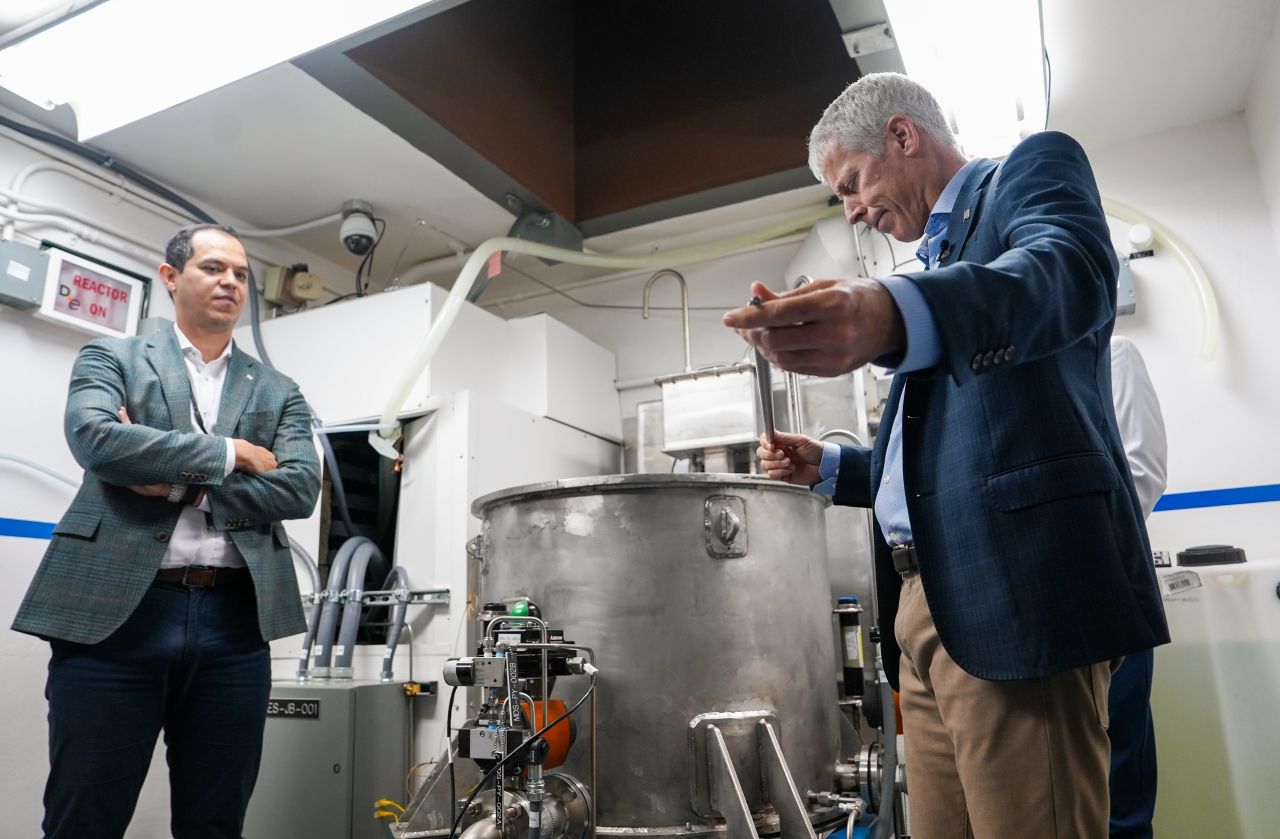
Energy Secretary Chris Wright (right) examines a fuel rod beside Deployable Energy CEO Bobby Gallagher in front of the company’s Unity microreactor. (Photo: Deployable)
Ahead of the July 4 deadline set by President Trump in Executive Order 14301, the nuclear community has been following the developments of the Department of Energy’s Reactor Pilot Program, in which companies have been pursuing DOE authorization to build and test their first-of-a-kind nuclear technologies. The EO set an ambitious goal of three reactors achieving criticality by July 4, 2026.
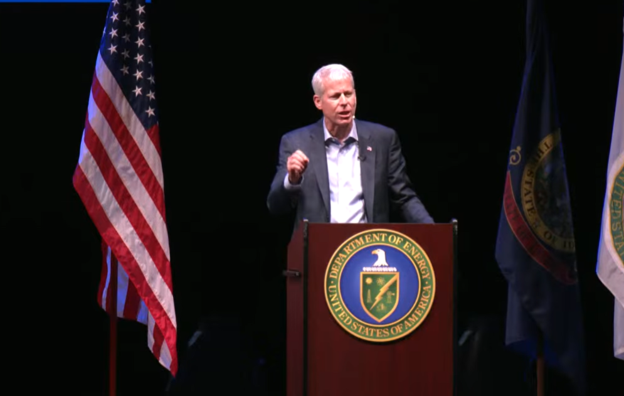
DOE Secretary Chris Wright speaks at Idaho National Laboratory on June 25. (Photo: DOE)
For just over a year, President Trump’s Executive Order 14301, “Reforming Nuclear Reactor Testing at the Department of Energy,” has loomed large because it pegged a stretch goal to a significant date: July 4, 2026. Will there be at least three participants in the Department of Energy’s Reactor Pilot Program whose reactors achieve criticality by Saturday’s deadline?
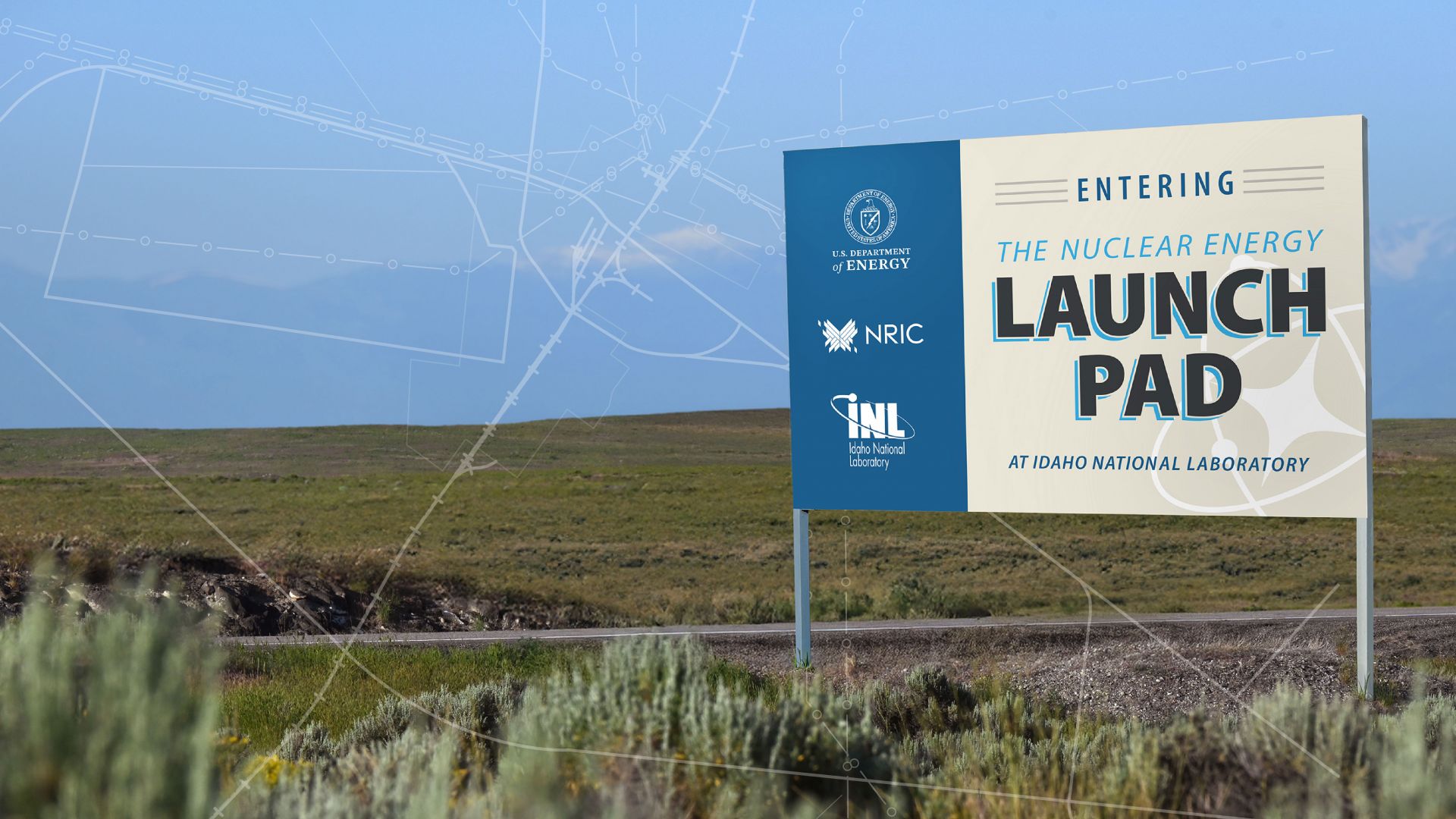
A sign along U.S. Route 20 on Idaho National Laboratory land marking the boundary of NRIC’s new Nuclear Energy Launch Pad INL. (Photo: NRIC)
In June 2025, the Department of Energy announced the Reactor Pilot Program, an authorization pathway that allowed reactor developers to partner with the DOE to get first-of-a-kind (FOAK) reactors built and tested. Soon after, the DOE rolled out a complementary Fuel Line Pilot Program, which aimed to fast-track fuel projects. In all, 20 projects were accepted into the new programs.
Concept art of Oklo’s Aurora Powerhouse. (Image: Oklo)
On Thursday, Oklo announced that the Department of Energy’s Idaho Operations Office had approved the preliminary documented safety analysis (PDSA) for the company’s first deployment of its Aurora Powerhouse, which is currently under construction at Idaho National Laboratory.
It is the most recent in a long series of announcements from the 10 companies participating in the Reactor Pilot Program, which has a fast-approaching criticality deadline of July 4.
ANS President Mark Peters welcomes the first criticality milestone under DOE Reactor Pilot Program
Washington, D.C. — Mark Peters, President of the American Nuclear Society (ANS), issued the following statement:
Oklo Aurora Powerhouse. (Image: Oklo)
Oklo announced a new partnership with Los Alamos National Laboratory and Nvidia to perform AI-enabled research on nuclear infrastructure and fuel.
The partnership is focused on exploring plutonium-bearing fuels, including the development of science-based AI models to support fuel validation and materials science and fabrication research and development. The team will also be exploring the development of nuclear-powered AI computing centers at LANL.
A fighter jet at Eielson Air Force Base. (Photo: Eielson Air Force Base)
Discussions and actions on nuclear energy have penetrated several state capitol buildings, congressional hearings, and industry gatherings across the United States this month, including in Alaska, Connecticut, Louisiana, Massachusetts, Minnesota, and New York.
The Groves reactor module being lowered into place. (Photo: Oklo)
On March 17, Oklo released a series of four press releases in the span of a few hours containing some of the first substantial updates the company has given on its various approval processes with the Department of Energy and Nuclear Regulatory Commission since January.
Specifically, Oklo announced that it has received two nuclear safety design agreement (NSDA) approvals from the DOE and a materials license from the NRC.
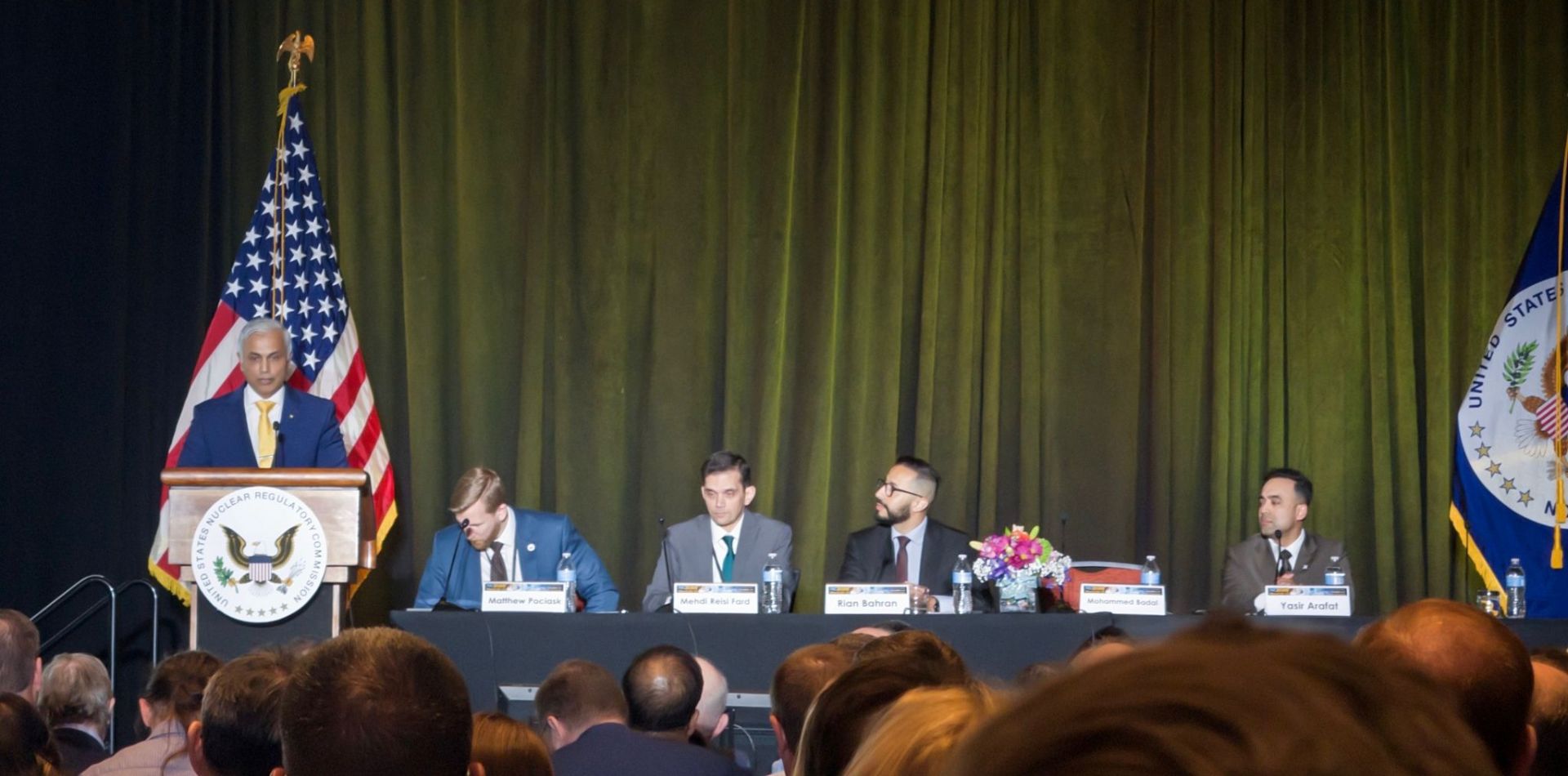
Mohammed “Mo” Badal speaking at “One Government, One Mission: Advancing Safe Deployment of Nuclear Energy,” a RIC technical session. (Photo: Yasir Arafat/LinkedIn)
Attendees at last week’s 2026 Regulatory Information Conference, hosted by the Nuclear Regulatory Commission, saw extensive discussion of new reactor technologies, uprates, fusion, multiunit deployments, supply chain, and much more.
With the industry in a state of rapid evolution, there was much to discuss. Connected to all these topics was one central theme: the ongoing changes at the NRC. With massively shortened timelines, the ADVANCE Act and Executive Order 14300, and new interagency collaboration and authorization pathways in mind, speakers spent much of the RIC exploring what the road ahead looks like for the NRC.
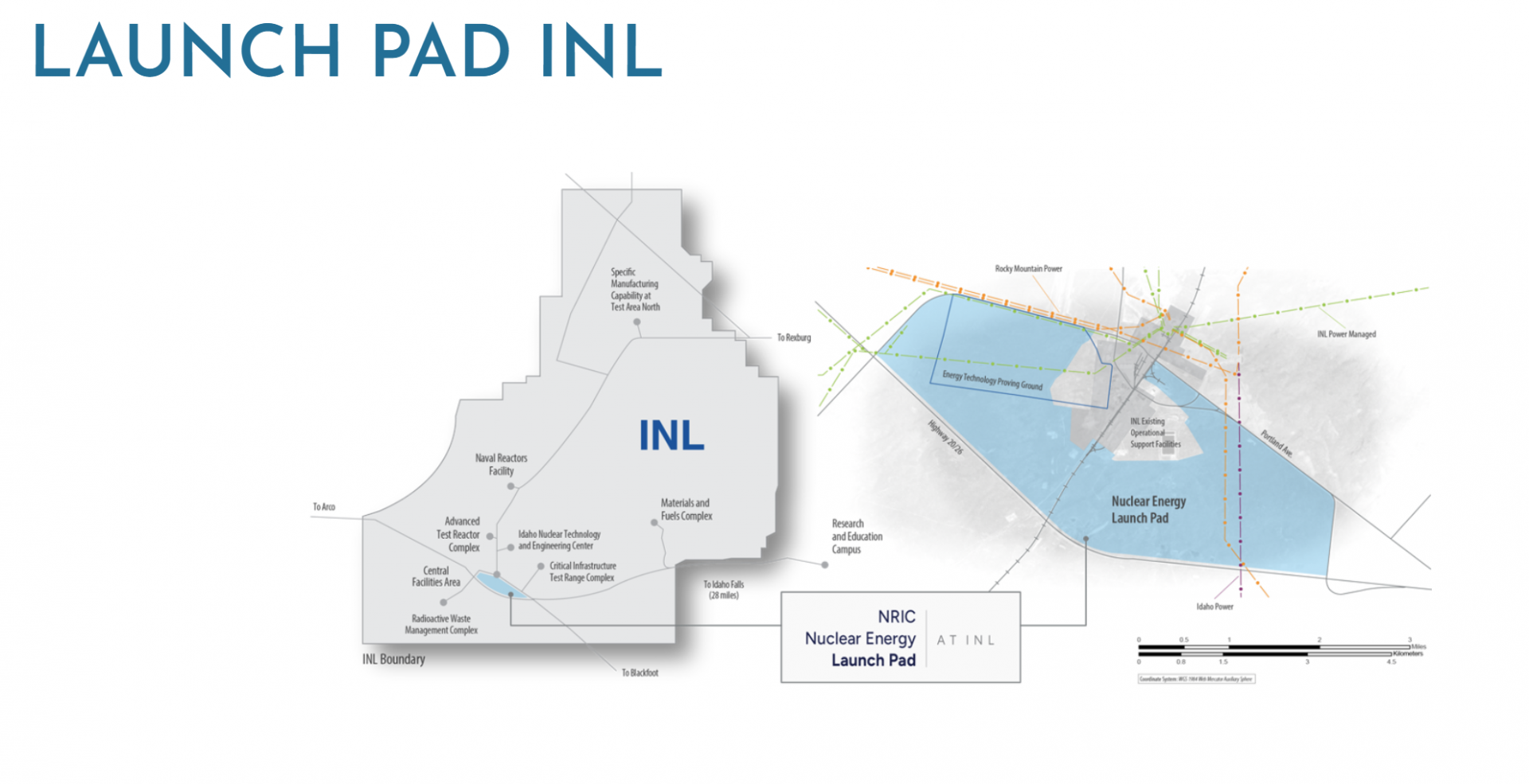
The layout of the Idaho National Laboratory property (Photo: NRIC)
The Department of Energy is set to expand on its Reactor Pilot Program and Fuel Line Pilot Program by introducing the Nuclear Energy Launch Pad, a DOE-led program to integrate the authorization, testing, and operation of reactors and fuel facilities from private nuclear developers. Furthermore, it will include two pathways—Launch Pad INL and Launch Pad USA—with options to access Idaho National Laboratory land or other sites around the nation.
The DOE plans to transition future pilot program applicants to the new Launch Pad model. Application requirements and review criteria will mirror those used in the reactor and fuel line pilot programs, and projects already in those programs will transition to Launch Pad with no need to reapply.